

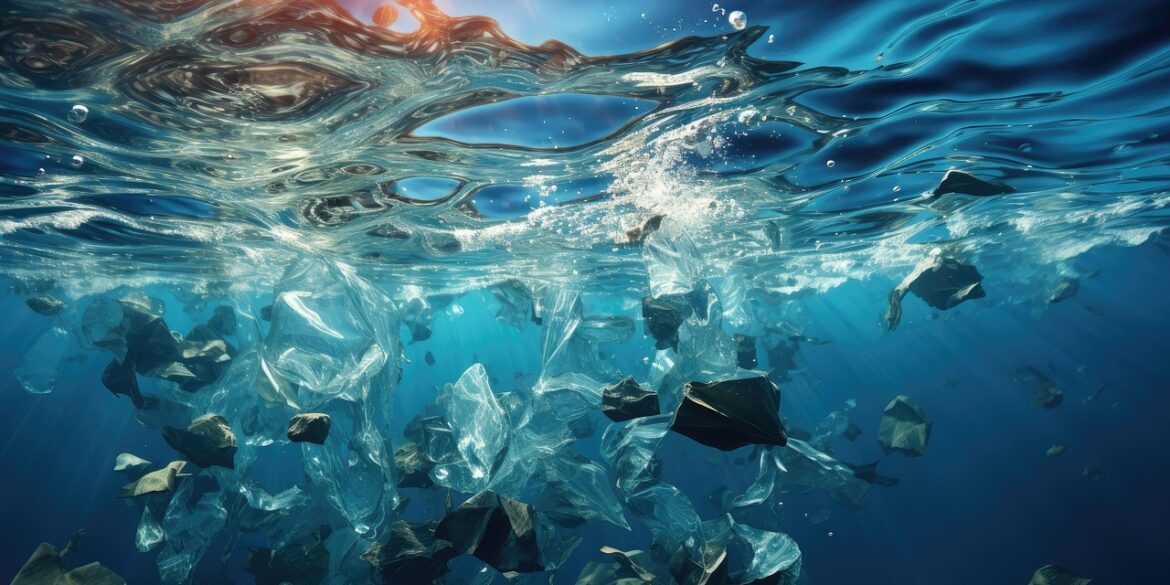
Horizon Europe and the mission to restore our seas and rivers by 2030
Oceans and rivers are essential for climate regulation, food security, and biodiversity, yet they face growing threats from pollution, overfishing, and climate change. As Arno Doggen, CEO of River Cleanup, a non-profit that removes waste from rivers and raises awareness, says: “Technology alone will not save our oceans.” Therefore Horizon Europe’s mission to restore our waters by 2030 combines innovation, collaboration, and prevention to protect these vital ecosystems.
Rivers, lakes, and seas not only regulate the climate but also feed millions and power economies. To turn the tide, the EU launched Horizon Europe, a €93.5 billion research and innovation program, with five missions addressing urgent global challenges, including the ambitious goal to restore oceans and waters by 2030.
Why oceans and waters matter
Oceans absorb about 90% of excess heat and up to 40% of human-produced CO₂, making them a vital buffer against climate change. But this role is weakening as they warm, acidify, and lose oxygen, putting ecosystems under stress. Freshwater faces similar risks: one in four species in rivers and lakes is threatened, while wetlands are crucial for carbon storage and flood protection.
Mission objectives
The mission Restore our Ocean and Waters by 2030 focuses on three core goals:
1. Protecting and restoring ecosystems and biodiversity in seas and inland waters.
2. Preventing and eliminating pollution.
3. Developing a carbon-neutral and circular blue economy.
Innovation and cooperation as a driving force
One of the most innovative initiatives within the mission is SeaClear, a project that combines robotics and international cooperation to tackle marine litter. Coordinated by Professor Bart De Schutter at Delft University of Technology, the project develops autonomous robots capable of scanning the seabed, identifying different types of waste, and removing them. While the first phase focused on small items such as plastic bottles and cans, SeaClear 2.0 expands the scope to larger objects, deeper waters, and even surface litter.
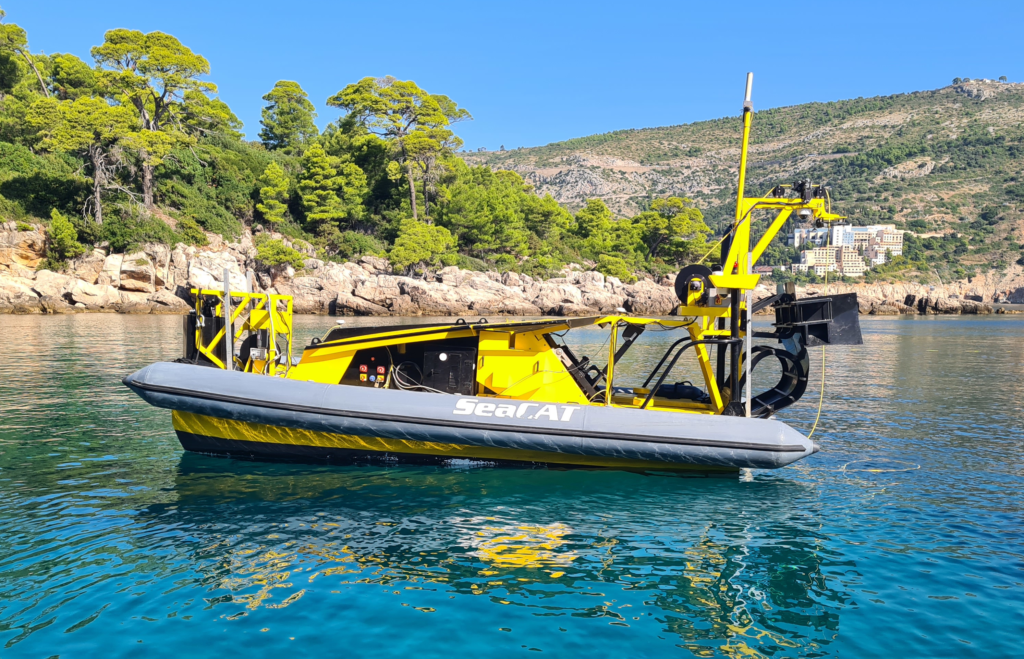
Beyond technological advancement, the collaborative framework is remarkable. Partners from the Netherlands, Germany, Croatia, France, and Romania work together within the project, showing how European-level cooperation is essential to achieve results no single country could accomplish alone. As De Schutter stresses: “The strength of SeaClear lies not only in advanced robotics, but also in the collaborative framework enabled by Horizon Europe. Without European funding and cross-border partnerships, this would simply not have been possible.”

Not everyone believes technology alone can solve the plastic problem. Arno Doggen, CEO of River Cleanup, explains: “I believe in innovation, but I have less faith in machines that remove waste once it’s already in our rivers. At that stage, cleanup is both too late and too costly. The real breakthrough lies in prevention, working together with citizens and policymakers.”
One example of such preventive innovation is the redesign of plastic bottles, where caps are now attached to the bottle to reduce the risk of litter ending up in our waterways.
Still, Doggen acknowledges the added value of the EU program: “The mission is very ambitious, but that’s a good thing. If you aim high, you can truly make change happen. The key is linking innovation to behavior and cooperation, because technology alone will not solve this problem.”
Collaboration beyond borders
While SeaClear and River Cleanup demonstrate technological innovation, Natuurpunt shows how policy and cooperation are equally vital. For Sarah Tilkin, Policy Officer at Natuurpunt, the North Sea illustrates why European-level collaboration is indispensable:
“You must work together with other countries, but that’s a benefit because you can learn from their experiences and best practices … and hopefully get a better picture of what is now this cumulative impact on our ecosystem.”
She points to oyster reef restoration as an example: Belgium is only at the beginning, while the Netherlands already has experience. By sharing lessons, countries can accelerate learning and avoid repeating mistakes. At the same time, she emphasizes that ecological pressures are cumulative. Wind farms, fisheries, shipping, and pollution interact in ways that require coordinated research and governance at a European level.
Engaging citizens and businesses
Citizen participation is central: over 1,100 actions have been pledged, such as beach cleanups and school programs. These efforts raise awareness and build support for change. Businesses are also involved: 346 organizations from 37 countries work on solutions such as sustainable fisheries, aquaculture, ocean-cleaning robots, and climate-neutral ports.

Monitoring and challenges
The mission is closely tracked within Horizon Europe. In 2023, the European Commission judged it “on track,” but highlighted the need for better governance, more private investment, and stronger citizen engagement.
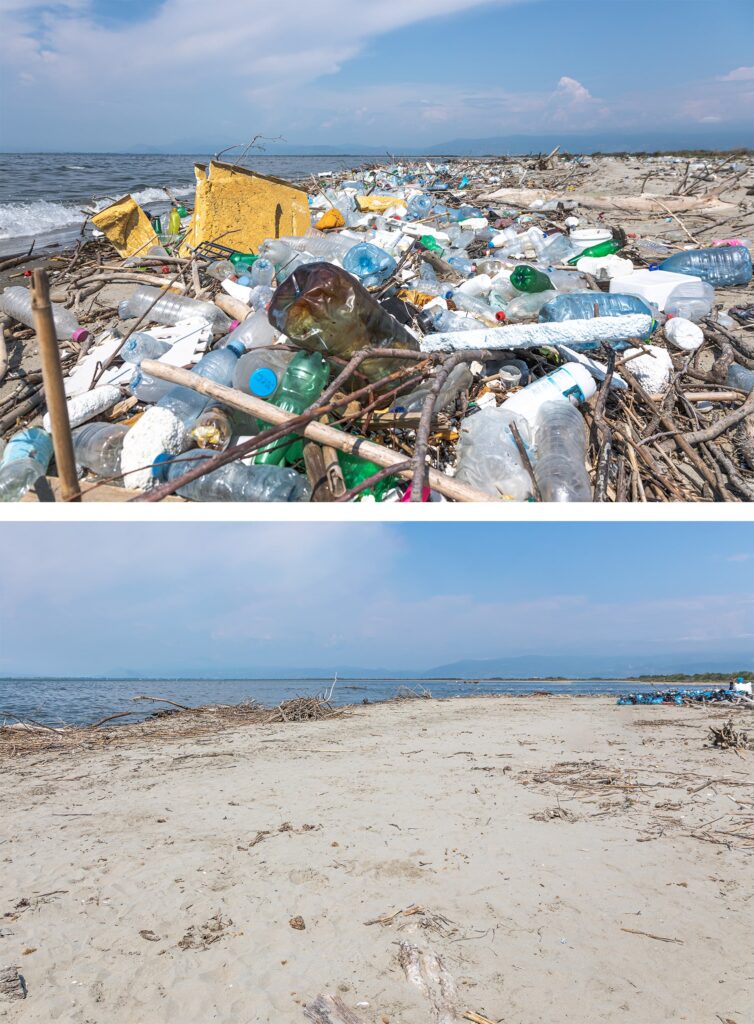
The EU is progressing on goals such as halving marine litter and pesticides and expanding marine protected areas to over 12%. Yet more effort is needed to reach 30% protection by 2030, cut nutrient pollution, and improve data on issues like free-flowing rivers, microplastics, and emissions from the blue economy.
Looking ahead
The mission unfolds in two phases: a development and pilot phase (2021–2025) and a deployment phase (2026–2030). In the second phase, locally tested solutions must be scaled up and embedded within European policy frameworks.
Manuel Heitor, chair of the Horizon Expert Group, summarizes it well:
“Horizon Europe is a fantastic program, and we should be proud of it. But the results are scattered and difficult to measure. What really matters is strengthening collaboration across Europe.”
Conclusion
The mission Restore our Ocean and Waters demonstrates how science, innovation, policy, and citizen participation can work together toward a common goal. Whether it is robots removing plastic from the seabed, NGOs cleaning rivers, or citizens collecting waste. Efforts are broad and diverse.
What becomes clear from the interviews and projects is that technological innovation is important, but collaboration, prevention, and long-term vision are just as essential. Only by combining these can Europe ensure its waters are healthy, resilient, and sustainable by 2030. An investment vital for climate stability, biodiversity, and future generations.
Authors | Charlotte Verbeke and Merel Van Ael